AI Wearable Shop logo

The buyer's guide for the AI wearable era.

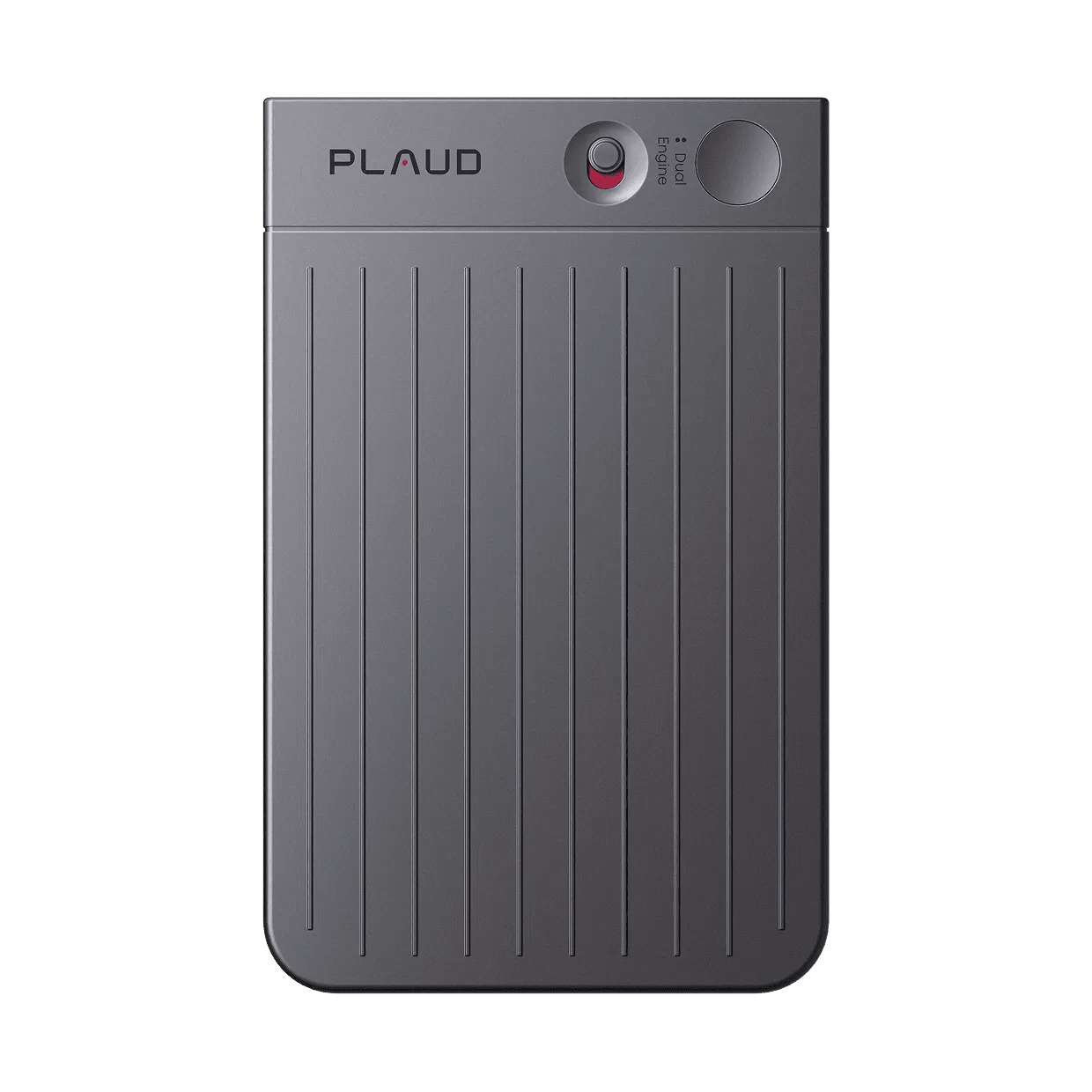
Rings, glasses, recorders, watches, open-ear audio — tested against one question: what do you actually want the wearable to do?

As an Amazon Associate I earn from qualifying purchases. Product links may be affiliate links.

Start with what you want the wearable to do.

Real products mapped to practical buying decisions.

Answer three questions. Get the right one.

The same way the shop owner would fit you in person — habit first, gadget second.

Start the 30-second quiz

The category matters more than the gadget name.

Compare the tradeoffs before checkout.

ProductBest forWatch outBuy
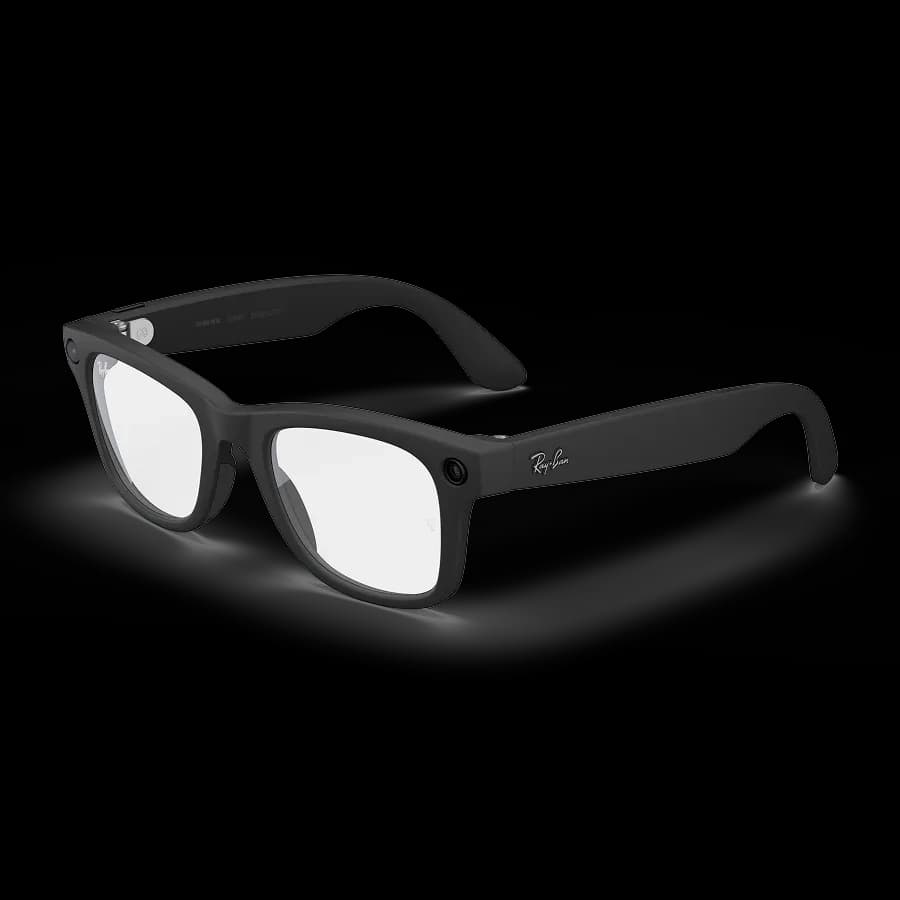
Ray-Ban Meta Smart GlassesAI glassesHands-free capture, quick voice prompts, translation, and walking-around tasks.Camera privacy is the real issue. Be careful in offices, meetings, and private spaces.Store
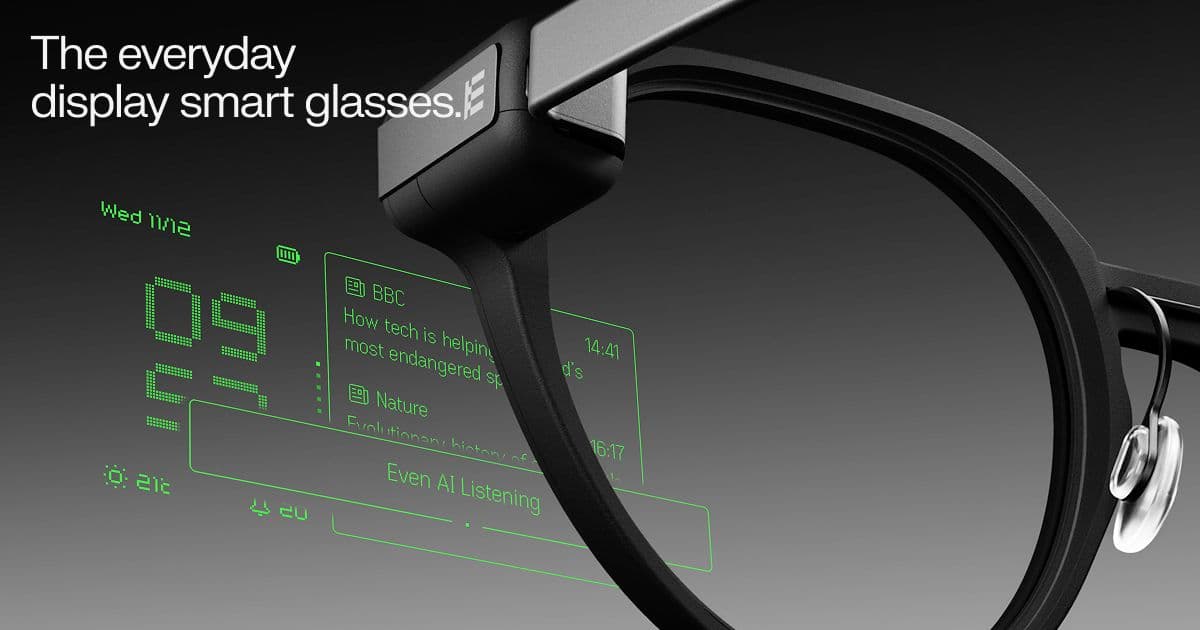
Even Realities G2AI glassesMeetings, presentations, and glanceable info without a camera pointed at anyone.Display-only by design: no camera, no speakers. Pair it with earbuds for audio.Store
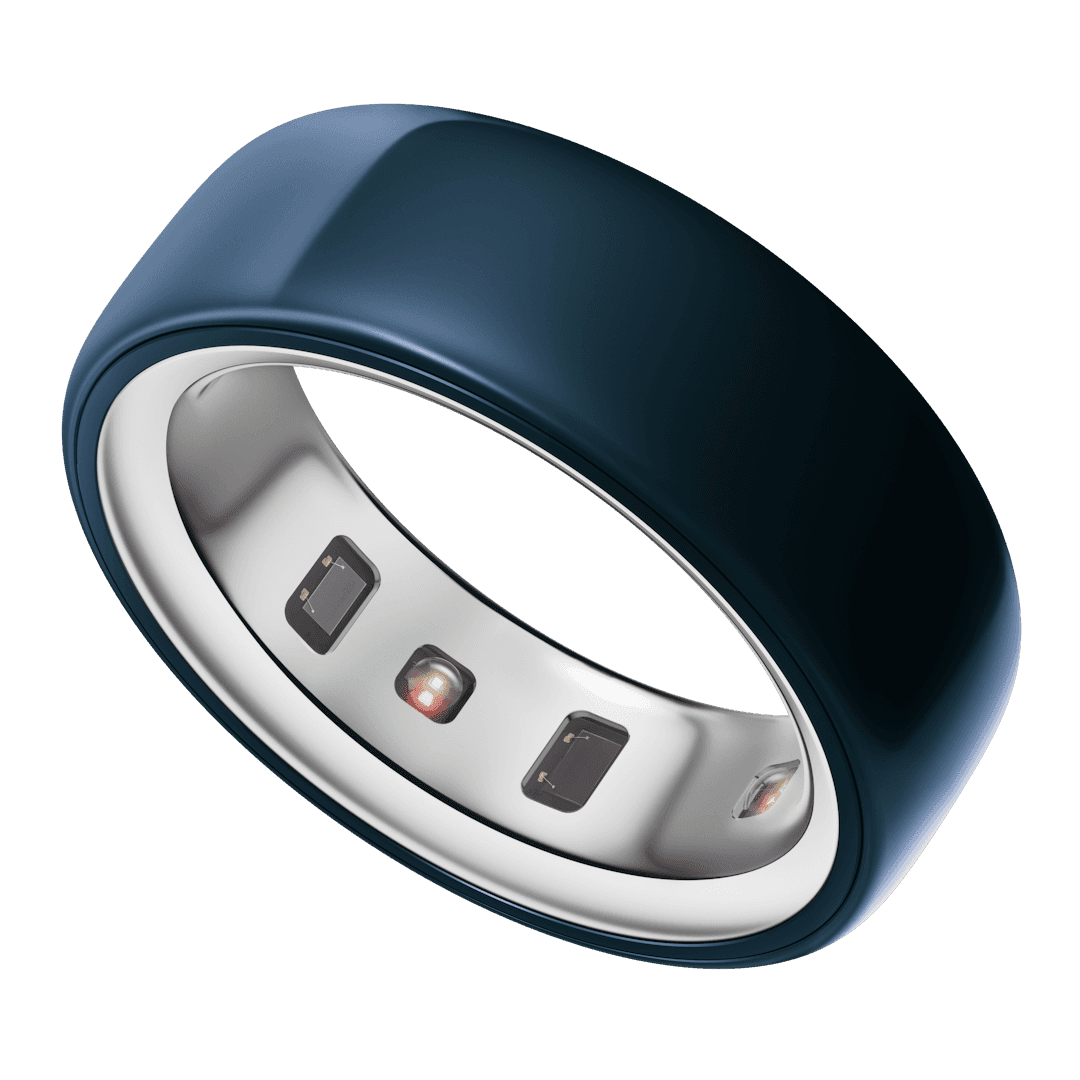
Oura RingSmart ringsBetter sleep tracking if you hate wearing a watch in bed — or love wearing a real watch by day.The membership changes the real yearly cost.Store
Samsung Galaxy RingSmart ringsSamsung phone owners who want lighter sleep tracking.Best experience is inside Samsung's ecosystem.Store
Ultrahuman Ring AIRSmart ringsData-heavy wellness users comparing rings beyond Oura and Samsung.Check sizing, battery expectations, and app fit before buying.Store
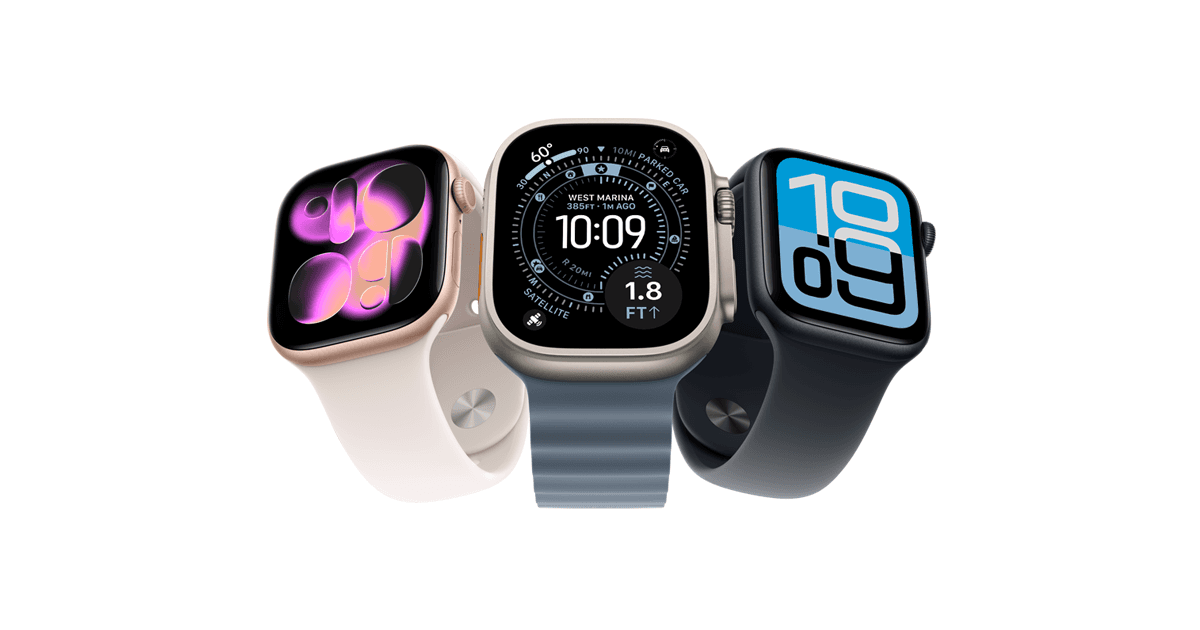
Apple WatchWatches & bandsOne wearable that handles most things reasonably well.Battery life and upgrade cycles are the main annoyances.Store
Google Pixel WatchWatches & bandsPixel and Android users who want one device for daily basics.As with most smartwatches, battery life drives the experience.Store
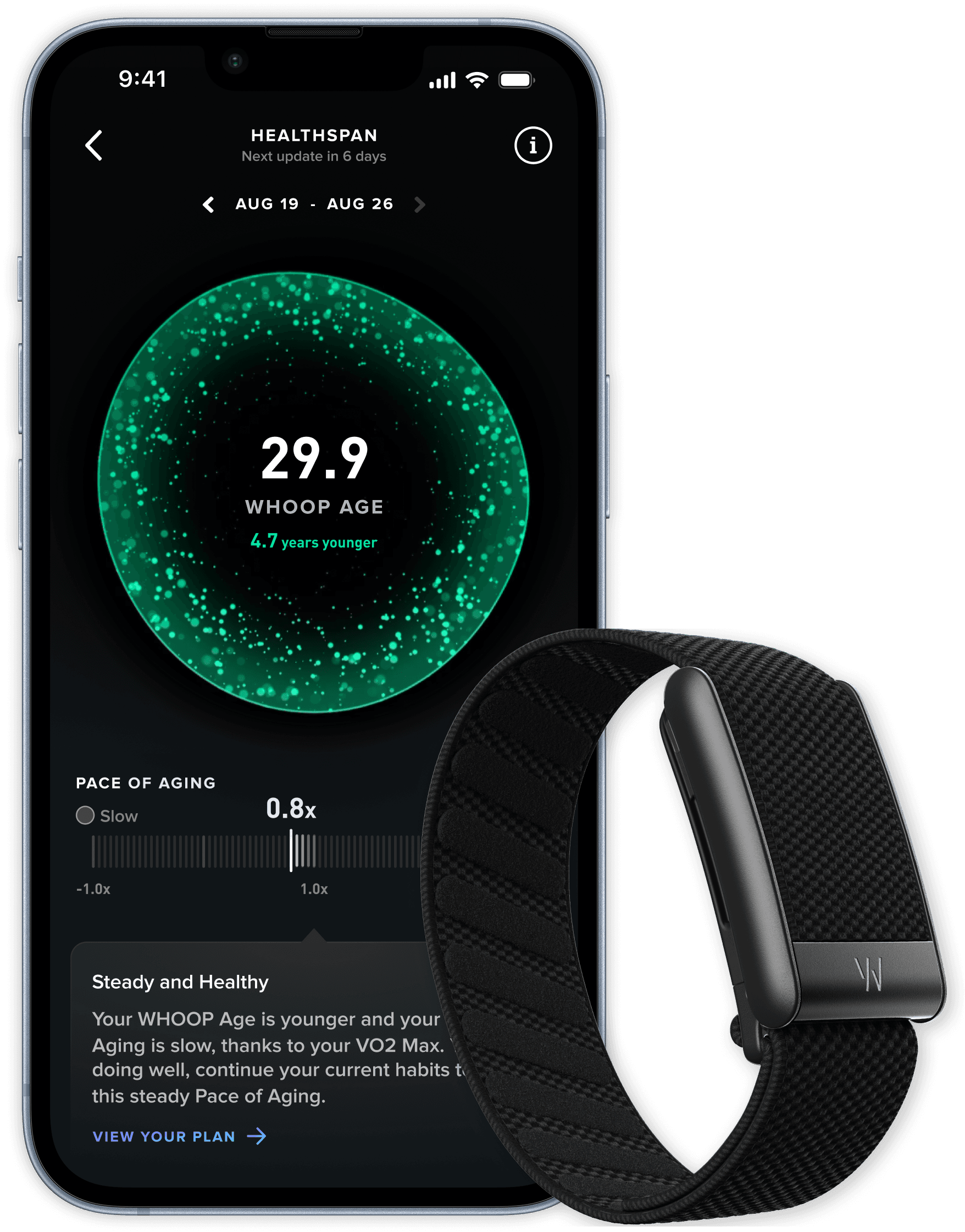
WHOOPWatches & bandsTraining, recovery, and habit tracking without another screen.This is subscription-led, so the ongoing cost matters.Store
Bose Ultra Open EarbudsOpen audioLightweight voice access while commuting, walking, or working.Open audio trades isolation for awareness.Store
Shokz OpenFit 2Open audioRunners, gym use, and people who dislike sealed earbuds.Not the right choice if noise cancellation is the priority.Store

The buying questions people ask first.

Which AI wearable should I start with for sleep tracking?

Start with a smart ring if sleep and recovery are the main reason you are shopping. Rings are easier to sleep in than most watches and still capture useful overnight signals.

Are AI glasses worth buying right now?

AI glasses make the most sense for hands-free capture, quick prompts, calls, translation, and walking-around tasks. They are less compelling if you expect a full phone replacement or all-day augmented reality.

What is the safest all-around AI wearable?

A watch is still the safest all-around choice because it handles health, workouts, notifications, apps, and safety features in one familiar device.

How should I compare the real cost of AI wearables?

Compare the device price plus the first year of required or highly useful subscriptions. A low checkout price can become expensive once memberships, transcription minutes, or ecosystem upgrades are included.

Should I buy first-generation AR display glasses?

Buy first-generation AR or spatial display glasses only if you enjoy early hardware. For most shoppers, it is better to wait until comfort, battery life, app support, and return policies are clearly proven.

Subscriptions change everything.

A device can look affordable at checkout and feel expensive after a year. The cards call out memberships, ecosystem lock-in, camera privacy, and first-gen risk before the buy buttons.
Back to shop