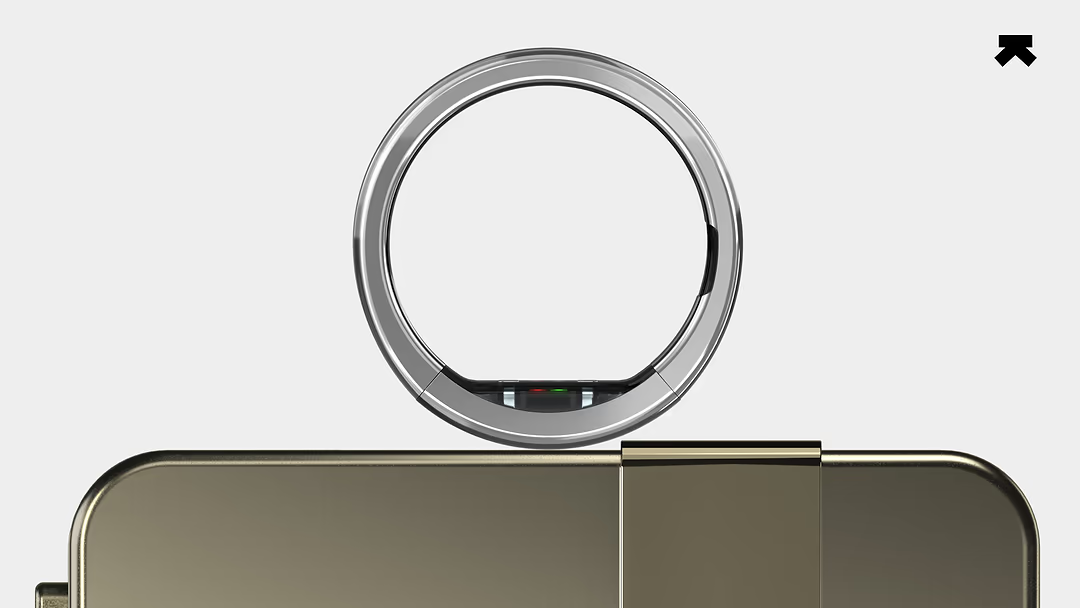
Oura Ring: the wearable for people who already wear a watch they love
The Oura Ring is what finally let me stop choosing between health tracking and wearing a watch I actually like.
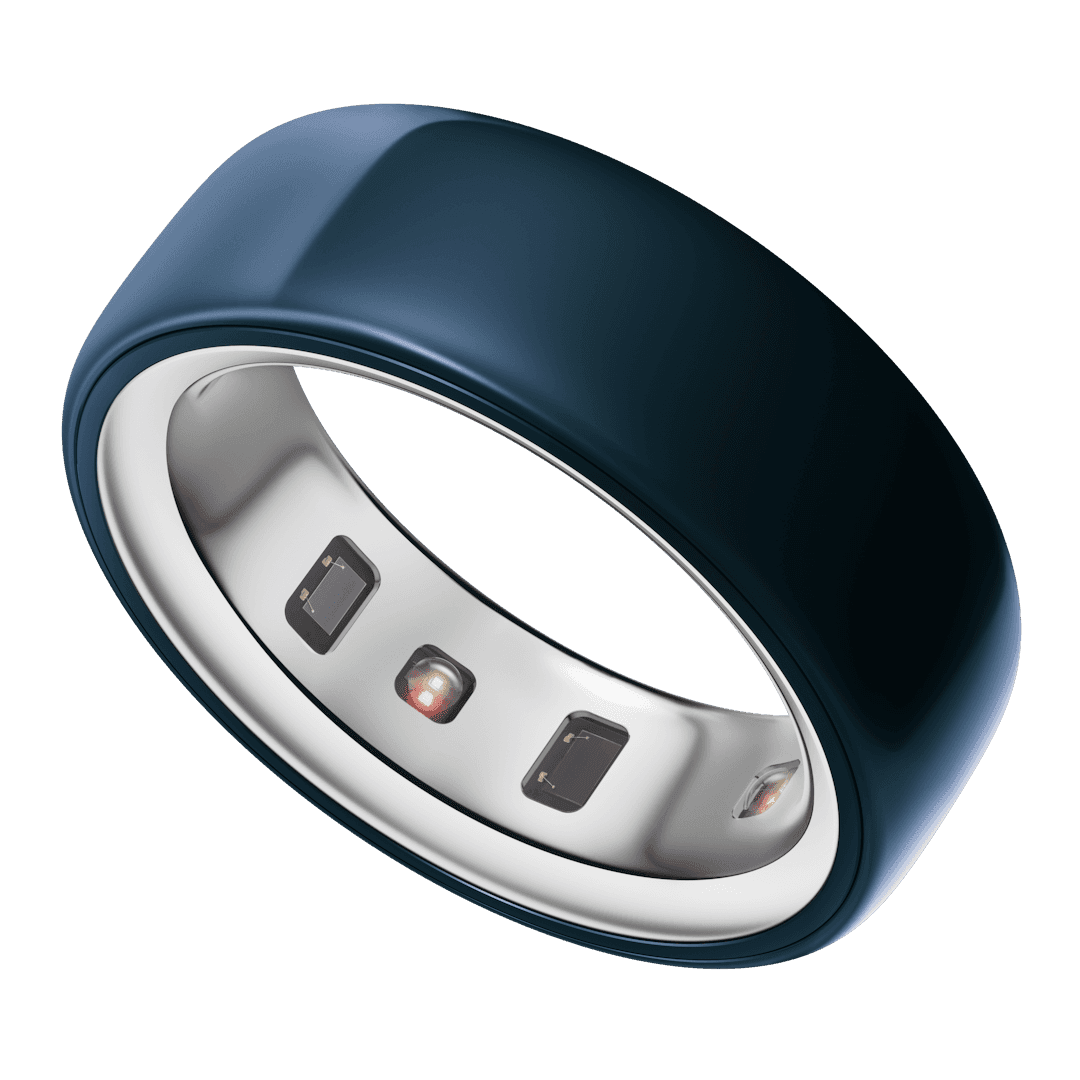
Daily driver — the Ring 4 Ceramic in Midnight is on my finger right now.
Affiliate disclosure: buying through these links supports the shop at no extra cost to you.
Why it earns the spot
- Best-in-class sleep and recovery tracking you'll actually keep wearing
- Frees up your wrist — health data without a smartwatch
- Multi-day battery; you stop thinking about charging
- Readiness score genuinely changes daily decisions
Watch out
- The membership is the real price — factor it into year one and beyond
- No screen means your phone is still the dashboard
- Sizing matters; use the sizing kit, don't guess
Oura Ring: the lineup, decoded.
Oura Ring 5
The 2026 flagship — the world's smallest smart ring.
- 40% smaller than Ring 4 (6.09mm wide, from 2g) — disappears on the finger
- 6–9 day battery; optional charging case stretches it to ~a month
- Redesigned low-profile sensors with 12 signal pathways
Finishes: Silver, Black, Gold, Deep Rose, Stealth, Brushed Silver
$399–$499 + membership
Oura Ring 4
The proven pick — and the value play since Ring 5 launched.
- Same core tracking suite: sleep, readiness, HRV, temperature
- 5–8 day battery
- Watch for discounts now that Ring 5 is the headliner
Finishes: Silver, Black, Brushed Silver, Stealth, Gold, Rose Gold
$349–$499 + membership
Oura Ring 4 Ceramic
The style pick — colored zirconia ceramic over a titanium core.
- Color comes from minerals in the ceramic itself — it can't fade or scratch off
- Slightly thicker and heavier than the standard Ring 4
- Same sensors and battery as Ring 4
Finishes: Midnight, Cloud, Tide, Petal
$499 list + membership
Oura Charging Case
The travel unlock. The ring holds a charge for about a week, but the pocketable case means the desk charger stays home — top up from the case anywhere. Pricey, and worth it if you travel.
Why a ring instead of a smartwatch
Here's my honest setup: I like wearing a real watch. A smartwatch on the other wrist always felt like a uniform I didn't choose. The Oura Ring solved the actual problem — I wanted the health data, not another screen.
The ring tracks sleep stages, heart rate, HRV, temperature trends, and activity, and rolls it into a morning readiness score. It quietly does what I used to expect from a watch plus a phone health app, without needing either one on my body.
Sleep tracking is the whole reason to buy it
Nobody keeps a chunky watch on in bed. A ring disappears — that's why the sleep data is actually complete. Bedtime consistency, sleep stages, overnight heart rate dips, temperature deviations that flag when you're getting run down: it's the stuff that changes behavior.
If sleep and recovery aren't your priority, a watch is honestly the more versatile pick. But if they are, start here.
The membership math
The sticker price isn't the real price. Full insights need the monthly membership, so think of year-one cost as ring plus roughly a year of subscription — and compare that honestly against a Galaxy Ring (no subscription) if you're on Samsung, or an Ultrahuman Ring AIR.
My take: the software is where Oura earns it. The readiness modeling and trend analysis are the product; the titanium is just the sensor housing.
If you love a real watch by day and want serious sleep data by night, this is the buy. Budget for the membership and use the sizing kit.